"Flooding and conflicts used to be part of our lives. Our children lived in fear. Today, with our rivers under control, we finally feel safe and secure."
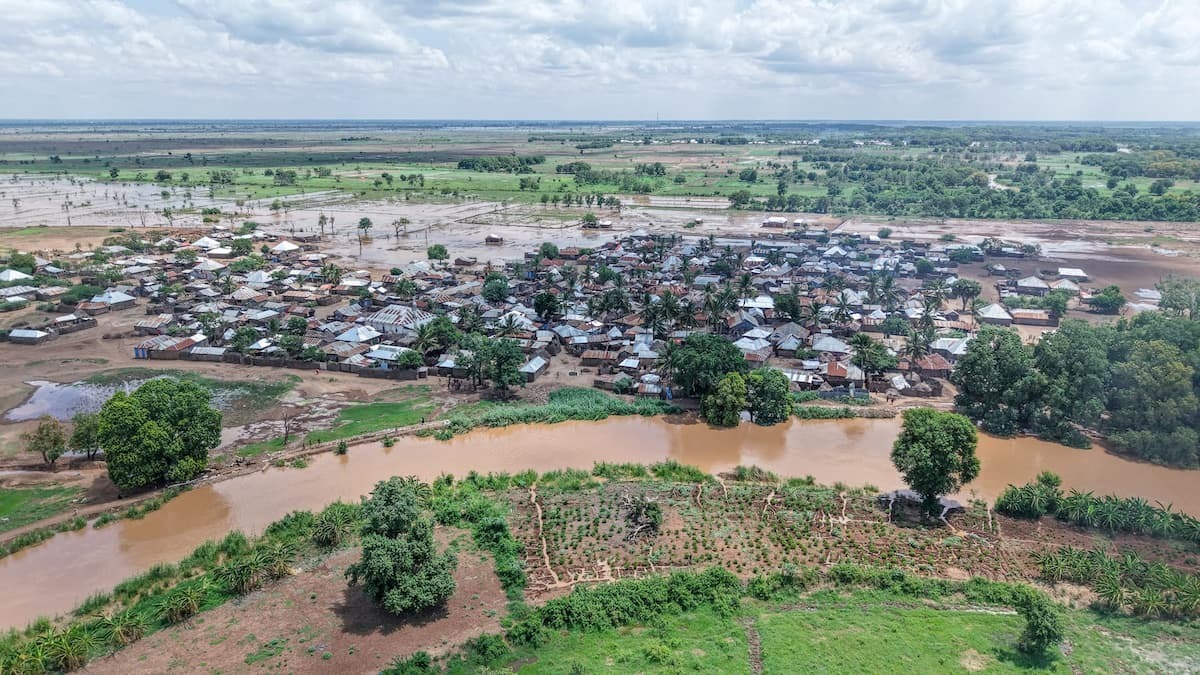
In recent years, Somalia has faced escalating climate shocks—from deadly droughts to catastrophic floods. The 2011 drought claimed 260,000 lives. The 2016–2017 drought caused widespread losses, and the prolonged 2020–2022 drought led to over 40,000 deaths. Then, in May 2023, unusually heavy rains and runoff from the Ethiopian highlands triggered one of the worst floods on record, displacing nearly one million people and devastating homes, farms, and infrastructure.
Now, Somalia’s major rivers face the threat of a once-in-a-century flood, according to FAO SWALIM, posing serious risks to communities and infrastructure.
Resilience Design Approach to Challenges
To address these growing risks, the JOSP RESTORE initiative—an integrated, community-led response grounded in the Resilience Design (RD) approach—was initiated. By promoting nature-based solutions, the intervention aimed to restore ecosystems, improve water management, support agroforestry, and build long-term resilience to climate shocks.
In April 2025, two historically divided communities, Daymasame and Maandheere, were selected for environmental riverbank rehabilitation. Community members received hands-on training in Resilience Design, flood prevention bioengineering, and regenerative land management techniques.

A Test of Resilience: The Unplanned Emergency
Soon after the training, as the International Organization for Migration (IOM) and its implementation partner arrived in Daymasame to begin the intervention, a sudden flood struck the area, breaching the river embankment and threatening nearby farmlands. The timing couldn’t have been more urgent.
In solidarity, local elders and village leaders quickly mobilized both communities. Over 350 volunteers, including men, women, and youth, sprang into action, applying what they had just learned from the RD training. Combining traditional knowledge with new techniques, the community members worked for five hours to stabilize the most vulnerable section of the embankment—just hours after the flood began.

What began as a crisis turned into a powerful example of community-driven climate resilience and unity. The emergency response not only averted disaster, it transformed a contested space into a symbol of cooperation and shared purpose.
Strengthening Riverbanks, Rebuilding Trust
After the emergency response, the planned intervention proceeded in the coming days. In Daymasame, 150 meters of riverbank adjacent to a densely populated and flood-prone neighborhood were reinforced. A multi-layered bioengineering design was used: heavy-duty sandbags provided structural support, while reed grasses and erosion-tolerant shrubs were planted to slow water flow and stabilize the soil.

This effort had dual impact—strengthening flood defences and rebuilding social cohesion between the two villages. The project also created temporary livelihoods and promoted a sense of ownership and stewardship among residents.
“Together, we strengthened the riverbanks and significantly reduced the flooding.”
Extending the Impact: Maandheere
Following the success in Daymasame, the same group of 50 trained community members rehabilitated a second site in Maandheere, about two kilometers from the village center. Although more remote, this site was identified as a critical weak point in the river system.
Over five days, 153 meters of riverbank were stabilized using the same nature-based techniques. The area’s low population density allowed for better vegetation growth and less disturbance—conditions ideal for long-term ecological stability.
Lasting Results for Sustainability
Together, the interventions in Daymasame and Maandheere restored 333 meters of riverbank, reduced flood risk, and catalyzed a remarkable transformation in inter-community relations. What began as an environmental rehabilitation effort evolved into a powerful peacebuilding and resilience-building process.
The project demonstrated that when communities are united around shared risks—and equipped with practical, nature-based tools—they can overcome environmental challenges, strengthen social bonds, and lay the foundation for a more resilient future.
